


Key takeaways:
- Easter 2026 is shifting towards smaller, snackable formats, with mini treats overtaking traditional large eggs as shoppers build more flexible baskets.
- Flavour profiles are becoming more sophisticated, with growing demand for dark chocolate, alcohol-infused products and savoury twists on seasonal classics.
- Despite these changes, Easter remains a last-minute shopping occasion, with spending and promotions peaking in the final days before the holiday.
Easter is still rooted in tradition, but the way consumers shop for it is changing. Data from European online delivery platform Foodora – analysing orders across Austria, Sweden, Norway, Czechia and Hungary – shows that smaller formats are rising, flavour preferences are broadening, and the bulk of purchases are happening in the final days before the holiday. What was once a single ‘big egg’ occasion is now a layered, multi-item basket.

Chocolate still anchors the season, but its dominance is being quietly reshaped. Milk chocolate accounts for 91.4% of sales overall, according to Foodora, yet its share slipped to 88% in 2025 as white chocolate rose to 6.9% and dark chocolate to 5.1%. That shift is mirrored in UK retail. UK-based online supermarket Ocado reported searches for dark chocolate Easter eggs rising 247% year-on-year, alongside triple-digit growth in alcohol-infused products such as the Guinness Rugby Ball Easter Egg (up 355%) and Champagne truffles (up 33%).
Spending remains strong but is more strategic. Zilch found Brits spent an average of £42.64 on chocolate in the week leading up to Easter 2025, 26% above the usual weekly average, with a peak of £50.22 on the Wednesday before the long weekend. “Our data reinforces that calendar moments like Easter are still key shopping moments for Brits,” said Andreas Andreou, chief revenue officer at the London-based financial technology firm. “At the same time, these platforms enable retailers to get even closer to their customers… targeting the right customers, with the right offers, at exactly the right time.”
At shelf level, the market is responding with a surge of innovation that blends nostalgia with novelty. From boozy eggs and savoury buns to popcorn gifting and bakery-led centrepieces, Easter 2026 is less about sticking to tradition and more about giving consumers multiple reasons to add ‘just one more thing’ to their basket.
Smaller formats, bigger baskets
One of the clearest shifts in Foodora’s data is towards smaller formats. The 0g-50g category now accounts for 34.5% of chocolate sold, up from 24.6% in 2022, overtaking traditional mid-sized eggs. Larger formats have lost share, suggesting Easter is increasingly about assembling a mix of treats rather than relying on a single hero product.
This shift also reflects growing price sensitivity, with smaller formats offering a more accessible entry point for shoppers navigating inflation. It also creates more opportunities for incremental purchases, particularly in the final days before Easter when baskets are topped up.
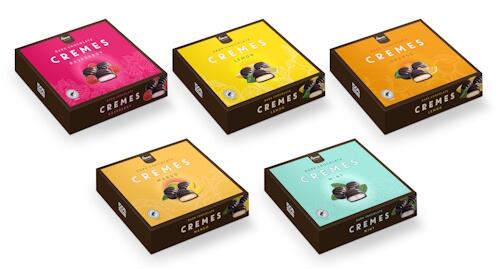
That trend is visible across new product development. Hames Chocolates has expanded its Easter range with formats such as Chocolate Mini Egg Pouches (120g), Milk Chocolate Raspberry Crème Filled Eggs (160g) and a 12 Assorted Chocolate Eggs Box (280g), designed to offer a mix of impulse lines and giftable options. “We’re seeing continued demand for classic flavour combinations, particularly when they’re delivered in formats that offer texture and a more premium presentation,” said director Carol Oldbury.
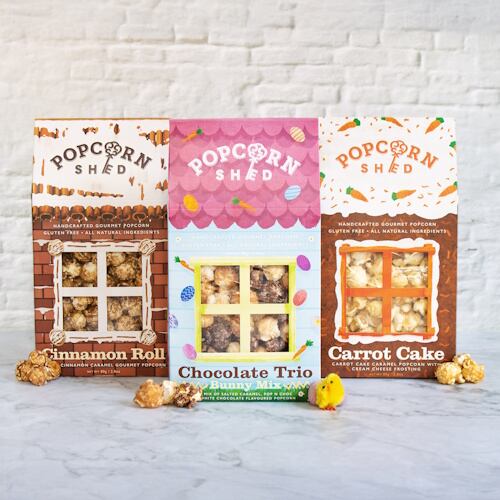
Brands are also leaning into smaller, shareable and snackable formats. Popcorn Shed’s Easter range includes an 80g Chocolate Trio shed (RRP £4.75), a three-shed bundle (RRP £13.50) and a five-shed bundle (RRP £22.00), all positioned as giftable, mix-and-match treats. Loacker is taking a similar approach with its Spring Minis Mix, an 80-count variety pack of mini wafers retailing at £12.89 in Costco.
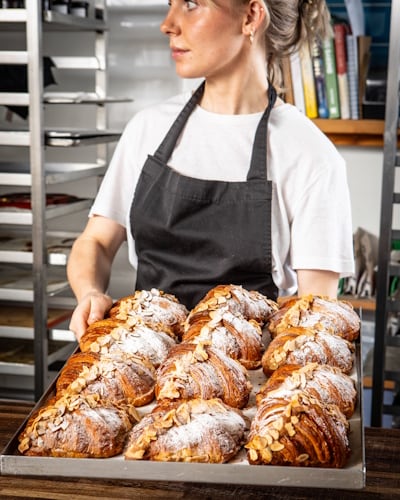
Even traditional categories are adapting. Walker’s has introduced Mini Shortbread Eggs, priced at $5.29 via its US website, while Little Sourdough Kitchen in Fulham is selling its cult hot cross buns at £3.75, made with Earl Grey-soaked fruit, candied peel and citrus, reinforcing the shift towards premium, artisanal small-batch products.
This highlights how heritage formats are being repackaged to stay relevant, blending familiarity with a more elevated, craft-led appeal. For retailers, it offers a way to trade shoppers up without abandoning the nostalgic cues that still underpin Easter purchasing decisions.
Flavour grows up
If format is evolving, flavour is moving even faster. Ocado’s data points to a clear ‘grown-up’ Easter, with strong growth in dark chocolate, alcohol-infused confectionery and premium drinks. Nicolas Feuillatte Champagne rose 631% year on year, while Terrazas Organic Malbec surged 2,390%, reflecting a shift towards more sophisticated Easter baskets.
“We’ve seen first-hand how Easter tastes are evolving, with our customers increasingly looking for bolder flavours and more grown-up seasonal treats,” said Dan Elton, chief customer officer at Ocado Retail.
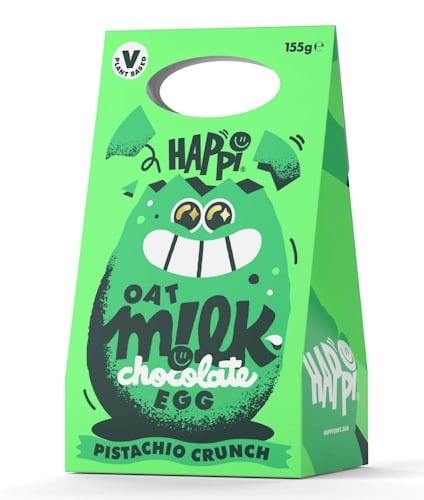
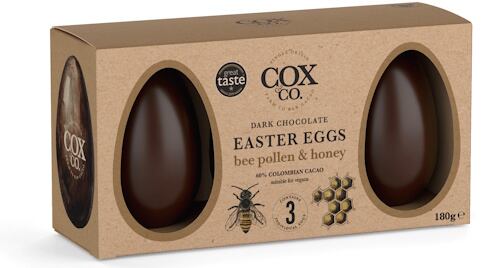
That demand is driving more experimental NPD. Cox and Co Cacao has launched an Aleppo Chilli and Cherry Easter Egg (155g, £14.00), alongside Miso and Caramel and Bee Pollen and Honey triple packs (£18.00), while Happi has introduced a Pistachio Crunch Easter Egg (£15.00), tapping into the Dubai chocolate trend with a plant-based twist.
Luxury and experiential products are also gaining traction. Ethel M Chocolates has launched a limited-edition 8-piece Easter collection priced at $40, featuring flavours such as strawberry crème, peanut toffee crunch and caramel espresso. At the same time, Paul is leaning into pâtisserie with products including a Chocolate Easter Millefeuille (from £5.25), Egg-shaped Craquant (from £5.95) and large carrot cakes priced at £20-£35.

Retailers are also expanding into hybrid and cross-category products. LesserEvil’s Organic Easter Sugar Cookie Popcorn snack packs have landed in Whole Foods Market and Sprouts, while Hi Chew has introduced an Easter Mystery Mix featuring flavours such as strawberry lemonade and yuzu lime, available at major retailers including Walmart and Walgreens.
These launches point to a growing overlap between confectionery, snacks and experiential treats, where format and flavour novelty are as important as seasonal relevance. They also tap into demand for interactive and shareable products, particularly for Easter baskets and family occasions. In doing so, brands are widening the definition of Easter indulgence beyond chocolate alone, bringing new consumers into the category while encouraging additional spend.
Easter as an experience
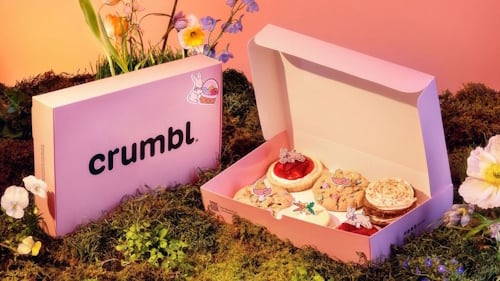
Easter is no longer just about what’s eaten, but how it’s experienced. Ocado’s research found two in five adults feel more like organisers than participants, while one in four report a sense of missing out on the fun. In response, the retailer has launched The Everything Hunt, offering prizes ranging from boozy chocolates to premium lamb chops.
That shift is reflected in product design, too. Paris Baguette is focusing on ‘centre-piece’ desserts such as its Easter Bunny Raspberry and Cream French Roll Cake and Easter Basket Chocolate Cake, while Crumbl’s limited-edition Easter Bundl (available until 4 April) features shareable desserts including a Robin’s Nest Dirt Cake Cup and Carrot Cake.
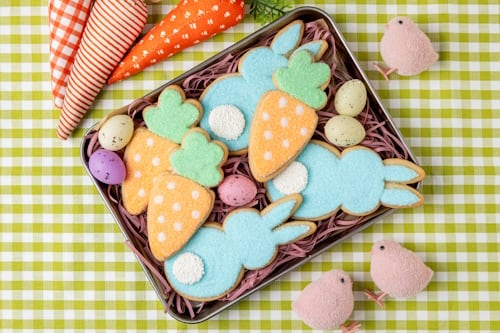
SusieCakes is taking a similar approach with a full range of Easter desserts, from bunny-shaped cakes to DIY decorating kits, designed to turn the holiday into an interactive occasion. Even décor is part of the spend, with Ocado reporting a 265% increase in porcelain rabbit decorations and a 455% rise in floral Easter table covers.
At the same time, the fundamentals of the Easter meal remain stable. Foodora data shows ham is still the leading protein, chosen by 52.2% of shoppers, with chicken rising sharply to 46.8%, while fresh vegetables dominate at 85.2% of purchases, underlining the continued importance of traditional meal components alongside more experimental treats.
The last-minute surge
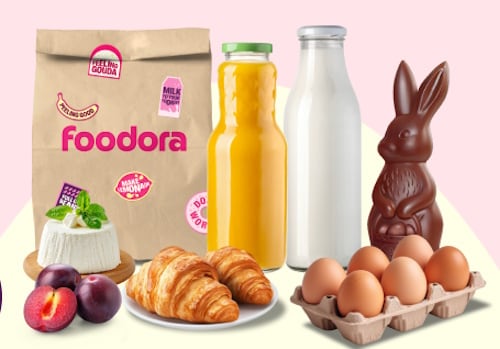
Despite all this innovation, one behaviour remains unchanged: shoppers leave it late. Foodora found peak ordering days fall two to three days before Easter Sunday, with the final three days accounting for the majority of purchases. Discount activity follows the same pattern, peaking from Thursday through Saturday.
That aligns closely with UK spending patterns. Zilch’s data shows the biggest spike in chocolate spending occurs midweek ahead of the long weekend, reinforcing the importance of well-timed promotions.
Easter is becoming more fragmented, more premium and more experience-led, but it’s still driven by impulse and timing. For producers and retailers, success lies in combining familiar formats with newness, offering a mix of price points and ensuring availability during the final rush.
The classic egg is still the best seller, but it’s no longer enough on its own.
